The Boundary and the Bridge

How to hold a firm limit without threatening belonging — because connection and boundaries can coexist.

ANCHOR POINT

Calm in the Storm

ISSUE #19 | "THE BOUNDARY AND THE BRIDGE" FOR THE ADULTS WHO HAVEN'T GIVEN UP

anchorpointcalminthestorm.com

FROM THE ANCHOR DESK

When “No” Feels Like a Fight.

Hey —

If setting one reasonable limit can turn an ordinary evening into a full battle, you know the doubt that arrives afterward.

You say the phone needs to be put away. You stop unsafe behavior. You hold the line on where they can go or how they can speak to someone. They tell you that you are unfair, controlling, or the only adult who has a problem with it. Suddenly, the boundary feels like a choice between keeping the peace and doing your job.

We understand the impulse. You may want to give in so the connection does not break. Or you may want to get louder so the rule finally feels real. Neither impulse means you are weak or harsh. Both come from trying to protect something important.

But a boundary does not have to become a wall. You can hold the limit and keep a bridge back to you.

Holding the line with you,

Kim & Trudy Founders, Anchor Point
THE DEEP DIVE

Firm Does Not Have to Mean Far Away

Young people need limits that are clear, calm, and predictable. Limits help protect safety and teach responsibility. They also need to know that frustration, anger, and mistakes do not cost them the relationship.

That balance is hard because a boundary often activates both nervous systems. The young person may hear, “I am losing control.” The adult may hear, “I am losing authority.” Then the argument grows until the relationship itself feels like the thing being threatened.

A warm boundary separates the behavior from belonging. It says: this action is not okay, and you are still worthy of care. The answer may remain no. The consequence may remain. The bridge remains too.

Their system may be fighting for freedom. Yours may be fighting for safety. Both needs are real, even when only one decision can stand. Warmth does not erase the limit, and firmness does not require rejection.

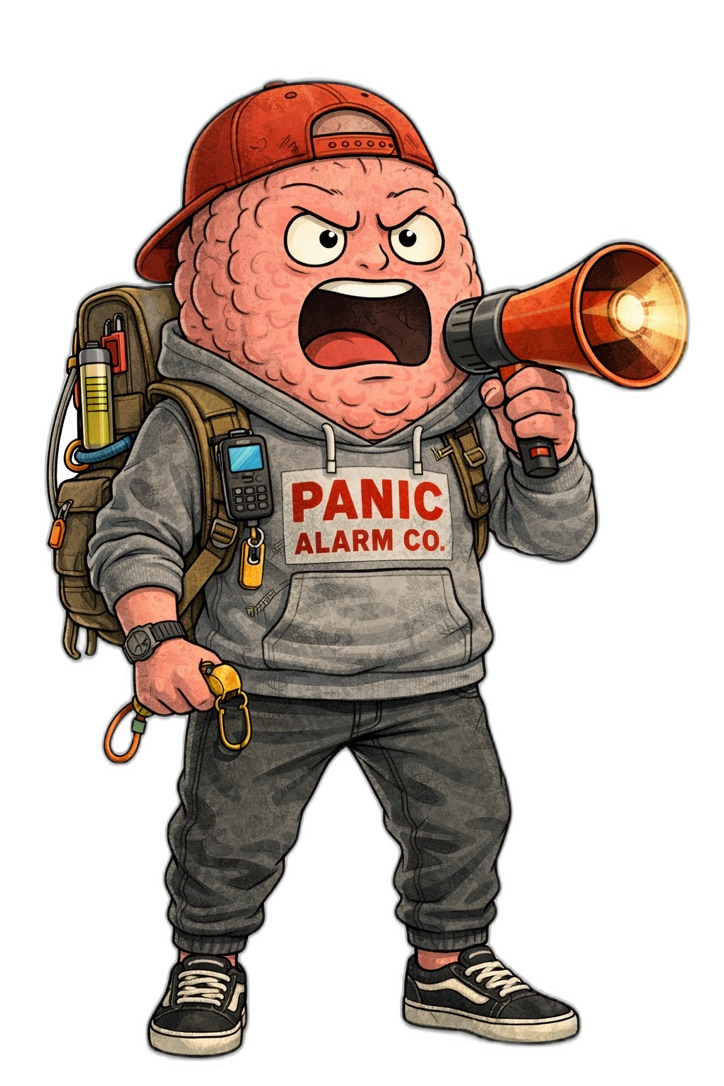
SCOUT — Brain Team character
Brain Team

SCOUT

Your brain's alarm system.

SCOUT's job is to keep you safe. When something feels wrong — or even just uncertain — SCOUT fires first and asks questions later. That's not a flaw. That's survival. But sometimes SCOUT goes off when there's no real danger. That's when things get hard.

Understanding SCOUT helps you make a boundary easier to hear without making it smaller. Find the Scout Brain e-book and workbook at anchorpointcalminthestorm.com.

THE ANCHOR TOOL | THIS WEEK'S PRACTICE

The Warm Limit

Every issue, one tool. Not a program. Not a lecture. One thing you can use this week.

When a limit is needed, use fewer words and include both safety and connection.

Try this three-part line:

“I won’t let this continue. I’m still here. We can try again when it is safe.”

Change the first sentence to fit the moment, but keep the bridge. “I’m still here” does not mean the behavior is acceptable. It means the relationship is not being used as the punishment. The young person may still protest. A good boundary is not measured by immediate agreement; it is measured by whether it stays clear without becoming cruel. Holding warmth and firmness together is demanding work, and every steady attempt counts.

The Anchor Point App has more tools like this one—built for the real moments, not the ideal ones. anchorpointcalminthestormapp.com.

REAL TALK | A STORY FROM THE TRENCHES

Composite story based on real experiences. Names changed.

“One of my students called another student a cruel name and refused to leave the group. I could feel the whole room watching me, and I wanted to come down hard so everyone knew I was in charge.

Instead, I said, ‘I won’t let you stay here while someone is being hurt. You’re coming with me, and I’m not leaving you alone in this.’ He was furious. He kicked the chair back and told me he hated me.

We walked to the hallway. Ten minutes later, he said, ‘Are you still mad?’ I told him the limit had not changed, but I was still on his side. That was the moment he was finally able to talk about what happened.”

— Anonymous, middle school teacher

Want to share your story? We’ll never use your name unless you ask us to.

COMING UP IN ISSUE #20

“The Borrowed Storm”

What happens when you carry a young person’s distress long after the moment ends—and how to care deeply without carrying all of it alone.

THE ANCHOR LINE

“A warm boundary says: this action is not okay, and you are still worthy of care.”

— Kim & Trudy

© Anchor Point · Calm in the Storm · anchorpointcalminthestorm.com
You’re receiving this because you signed up at anchorpointcalminthestorm.com.
To unsubscribe, reply to this email with “unsubscribe” in the subject line.