The Starting Line

Why “just get started” can feel impossible — and how a smaller first step helps a stuck brain move.

ANCHOR POINT

Calm in the Storm

ISSUE #17 | "THE STARTING LINE" FOR THE ADULTS WHO HAVEN'T GIVEN UP

anchorpointcalminthestorm.com

FROM THE ANCHOR DESK

When “Just Start” Does Not Work.

Hey —

If you have repeated the same simple direction five times and watched nothing happen, you know how quickly concern can turn into frustration.

The backpack is still closed. The room is still a mess. The permission form is still blank. You know they can do the task. They have done harder things before. So when they stare, stall, wander away, or say, “I’ll do it later,” it can look like they do not care.

We understand the impulse. You want to add urgency. You remind them of the deadline, the consequence, and every other unfinished thing. You are not trying to shame them. You are trying to help them move.

But “start” is not one action. It is a chain of small brain jobs—and sometimes the chain is where they get stuck.

Holding the line with you,

Kim & Trudy Founders, Anchor Point

THE DEEP DIVE

The Invisible Work Before the Work

Before a young person can begin, they may need to decide where to start, picture the steps, gather materials, shift away from something else, manage discomfort, and believe the task is possible. Adults often see one assignment. Their brain may see a wall of unfinished decisions.

This is part of executive function—the skills that help us plan, focus, switch gears, and move toward a goal. These skills grow over time, and they can be harder to reach when a young person is anxious, tired, distracted, or overwhelmed.

That does not mean expectations disappear. It means support should match the stuck point. A lecture about responsibility does not show a brain where the first step is. A smaller starting point can.

They may be doing the best they can with a task that feels too large to enter. You may be doing the best you can with a delay that affects the whole family or classroom. Neither of you needs more blame. You need a clearer starting line.

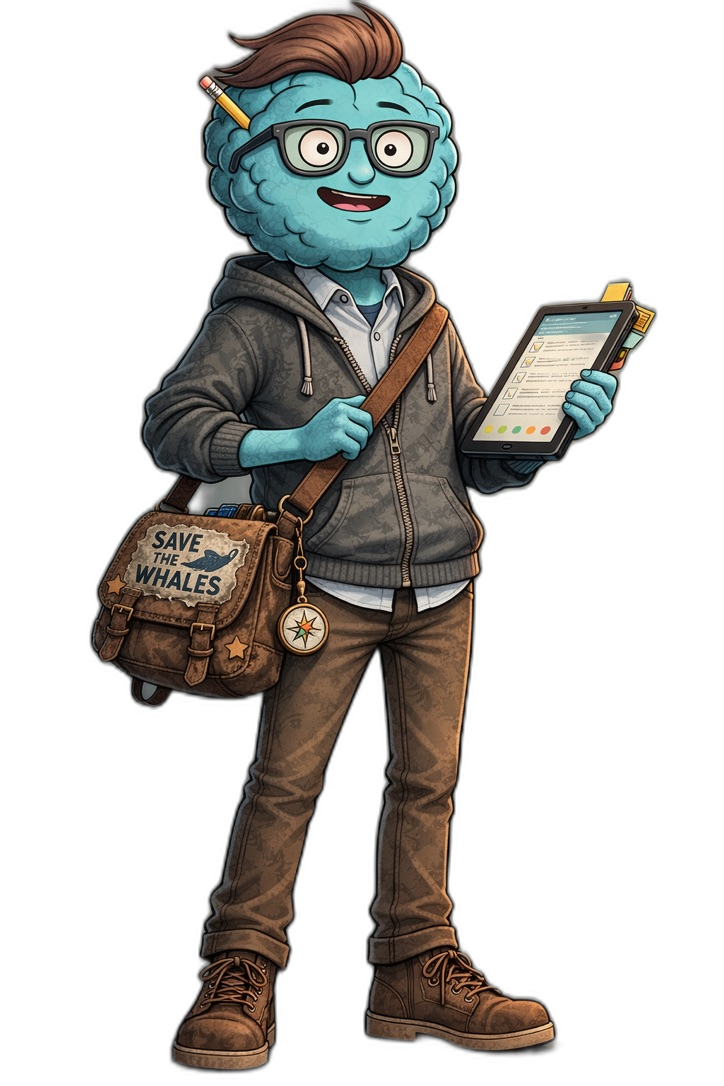
Meet THINKER

THINKER helps the Brain Team plan, sort, predict, and organize. When too many steps crowd in at once, THINKER can keep planning without ever sending the signal to begin.

THINKER — Brain Team character
Brain Team

THINKER

Your brain's problem-solver.

THINKER is the part of your brain that slows down, weighs options, and figures things out. THINKER is still being built during the growing-up years — which means it's not always available when you need it most. That's not an excuse. It's just the truth.

Understanding THINKER helps you separate “will not” from “cannot find the first step yet.” Find the Thinker Brain e-book and workbook at anchorpointcalminthestorm.com.

THE ANCHOR TOOL | THIS WEEK'S PRACTICE

Shrink the Start

Every issue, one tool. Not a program. Not a lecture. One thing you can use this week.

When a task is sitting untouched, resist the urge to repeat the whole direction. Ask for the smallest action that makes the task visible.

Try this question:

“What is the smallest thing we can do to show this task has started?”

For homework, the answer might be opening the document. For laundry, it might be finding the basket. For a hard conversation, it might be writing the first sentence instead of saying it out loud. Then pause. The goal is not to secretly turn one step into ten. The goal is to help the brain cross the starting line. Helping them find one honest beginning is not doing the work for them. It is teaching a skill, and that patient teaching counts.

The Anchor Point App has more tools like this one—built for the real moments, not the ideal ones. anchorpointcalminthestormapp.com.

REAL TALK | A STORY FROM THE TRENCHES

Composite story based on real experiences. Names changed.

“My daughter had a three-page report due, and she had spent forty minutes changing the font on the title. I lost it. I told her she was wasting time and asked why she could not just start writing.

She yelled, ‘I don’t know what the first sentence is!’ That was the first time I understood that she was not refusing the report. She could not find the doorway into it.

I asked her to type one sentence she knew was true, even if it was not the opening. She wrote, ‘Dolphins live in groups.’ It was not brilliant. But it was a start. Ten minutes later, she had a paragraph.”

— Anonymous, parent of a 13-year-old

Want to share your story? We’ll never use your name unless you ask us to.

COMING UP IN ISSUE #18

“The Friendship Weather”

Why a friendship shift can feel like the whole sky has changed—and how to help without taking over the forecast.

THE ANCHOR LINE

“A lecture about responsibility does not show a stuck brain where the first step is.”

— Kim & Trudy

© Anchor Point · Calm in the Storm · anchorpointcalminthestorm.com
You’re receiving this because you signed up at anchorpointcalminthestorm.com.
To unsubscribe, reply to this email with “unsubscribe” in the subject line.